
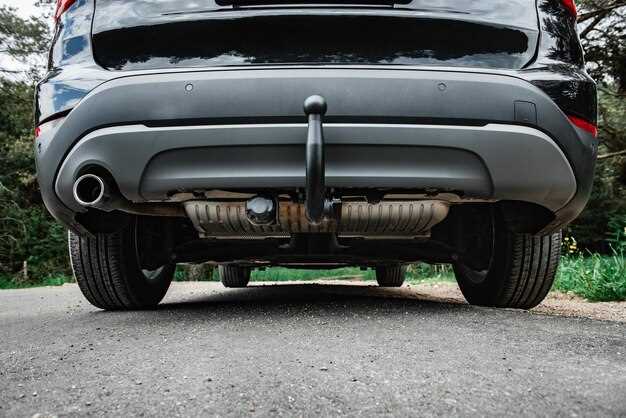
Whether you’re an off-road enthusiast or simply want to safeguard your vehicle, choosing the right skid plate for your Land Cruiser is crucial for underbody protection. These components serve as a barrier between the vulnerable parts of your vehicle and the rugged terrain you might encounter. Without adequate protection, your underbody is at risk from rocks, debris, and unexpected obstacles, which could lead to costly repairs and diminish your vehicle’s performance.
Skid plates come in various materials and designs, each offering unique advantages. Understanding your driving habits and the environments you frequently traverse can help you select the most suitable option. Whether you prioritize weight savings with aluminum, the ruggedness of steel, or the sophistication of composite materials, making an informed decision will enhance your Land Cruiser’s longevity and capability.
In this article, we will explore the various skid plate options available, detailing their benefits and drawbacks while emphasizing the importance of protecting your vehicle’s underbody. Properly installed skid plates not only shield critical components but also enhance your confidence while navigating challenging terrains. Let’s dive deeper into the world of skid plate choices tailored specifically for your Land Cruiser.
Understanding Materials: Aluminum vs. Steel Skid Plates

When it comes to selecting skid plates for your Land Cruiser, understanding the material options is essential for optimal underbody protection. The two most common materials used for skid plates are aluminum and steel, each offering distinct advantages and disadvantages.
Aluminum skid plates are favored for their lightweight characteristics. This material significantly reduces the overall weight of the vehicle, which can enhance fuel efficiency and performance. Aluminum plates also resist corrosion better than steel, making them an excellent choice for off-road adventures in wet or salty environments. However, while they provide adequate protection under normal circumstances, aluminum may not withstand extremely heavy impacts as effectively as steel.
On the other hand, steel skid plates are renowned for their durability and strength. They offer superior resistance to punctures and abrasions, making them ideal for rugged terrains and aggressive off-roading. Steel can handle substantial impacts, thereby providing exceptional underbody protection. The downside to steel is its weight, which can add to the overall mass of the vehicle, potentially affecting fuel economy and handling. Additionally, steel plates are more susceptible to rust if not properly maintained.
The choice between aluminum and steel skid plates ultimately depends on individual needs and driving styles. If you prioritize weight savings and corrosion resistance, aluminum may be the better option. Conversely, if you require robust, heavy-duty protection for extreme conditions, steel is likely to meet those demands effectively.
Selecting the Right Thickness for Optimal Underbody Defense
When it comes to protecting your Land Cruiser’s underbody, skid plates play a crucial role in safeguarding vital components from damage during off-road adventures. One of the most important factors in selecting skid plates is the thickness of the material used in their construction.
Choosing the appropriate thickness impacts both durability and weight, and finding the right balance is essential for optimal protection without compromising performance. Here are some key considerations:
- Material Considerations: Common materials for skid plates include aluminum and steel. Aluminum plates are typically lighter and can be found in thicknesses ranging from 3/16 inch to 1/4 inch, while steel plates often start at 1/4 inch and go up to 3/8 inch or more.
- Weight vs. Protection: Thicker plates provide enhanced protection against sharp rocks and heavy impacts. However, they also add weight, which can affect your vehicle’s handling and fuel efficiency.
- Intended Use: Consider your specific off-roading conditions. For rugged trails with a higher chance of striking obstacles, thicker plates offer better defense. In contrast, for lighter trails, a thinner plate may suffice.
- Installation and Compatibility: Ensure that the thickness of the skid plates does not interfere with other components of your vehicle. Thicker plates can sometimes complicate installation or require modifications.
- Budget: More robust plates generally come at a higher price point. Determine your budget and weigh the cost against the level of protection you need.
Ultimately, selecting the right thickness for skid plates is a balance between weight, protection, and your specific off-road requirements. Assess your driving style, terrain types, and potential hazards to make an informed decision that will keep your Land Cruiser safe on the trails.
Installation Considerations: Impact on Vehicle Performance and Maintenance

When installing skid plates on your Land Cruiser, several critical factors must be addressed to ensure optimal vehicle performance and maintainability. Skid plates serve a vital role in protecting the underbody components from damage caused by off-road obstacles. However, improper installation can lead to unforeseen challenges.
First, it is essential to select skid plates that are specifically designed for your Land Cruiser model. Mismatched or poorly fitting skid plates can interfere with the vehicle’s suspension and ground clearance. This misalignment can affect ride quality and handling, ultimately compromising safety during off-road maneuvers.
Another vital consideration is the weight of the skid plates. Heavier materials may offer increased protection, but they can also add to the overall weight of the vehicle. This added weight can impact fuel efficiency, acceleration, and braking capability. It is crucial to balance the need for protection with the potential changes in vehicle dynamics when choosing skid plates.
Installation techniques also play a significant role in the overall effectiveness of skid plates. Properly securing the skid plates ensures that they remain in place during off-road adventures. Loose or inadequately installed skid plates can rattle, create noise, and shake loose over time. This necessitates frequent checks and maintenance to keep the underbody protection intact.
Regular maintenance checks of the skid plates are necessary to ensure they have not sustained damage. Hidden cracks or warping may not be immediately visible but can compromise structural integrity. Additionally, routine inspections encourage the early identification of loose bolts or hardware, reducing the risk of losing protection during excursions.
Finally, consider the accessibility of underbody components after installing skid plates. Some models may complicate access to vital parts like the oil pan or transmission. This can hinder routine maintenance and repairs, potentially leading to increased service time and costs. Ensure that your skid plate choice allows for easy access to crucial components, balancing protection and practicality.