
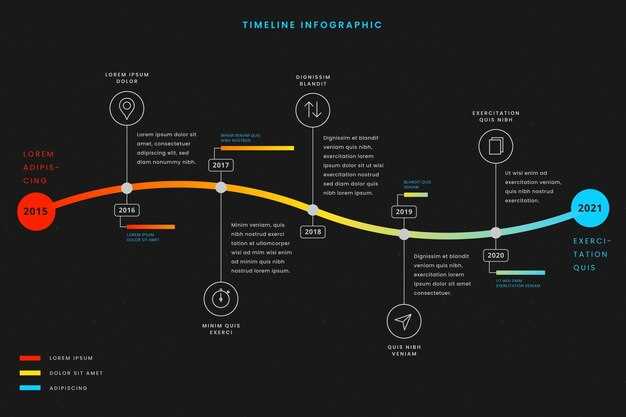
The journey of restoring a Land Cruiser is akin to embarking on a meticulous build project that demands thorough planning and attention to detail. Each stage of the restoration process is crucial, as it not only extends the life of these iconic vehicles but also enhances their performance and aesthetic appeal. Understanding the timeline involved in such a project can dramatically impact its success and the overall satisfaction of its enthusiasts.
In this article, we will explore a comprehensive timeline that outlines each phase of a Land Cruiser restoration. From the initial assessments to the final touches, we will break down essential milestones that need to be achieved, ensuring that no vital aspect of the restoration is overlooked. With proper planning and execution, your restoration project can transform a classic Land Cruiser into a masterpiece of automotive engineering.
Whether you’re a seasoned mechanic or a novice enthusiast, understanding the sequence of tasks involved in this project will serve as a guide, helping you navigate through potential challenges while realizing your dream vehicle. Join us as we delve into the complete Land Cruiser restoration timeline and equip yourself with the knowledge required for a successful endeavor.
Assessing the Condition: Key Steps Before Starting the Restoration
Before embarking on the full restoration of a Land Cruiser, it is crucial to assess its current condition thoroughly. This assessment serves as the foundation for effective planning and ensures that the build process is efficient and manageable.
The first step is to conduct a detailed visual inspection of the vehicle. Look for signs of rust, corrosion, and structural damage. Pay close attention to critical areas such as the chassis, undercarriage, and body panels. Document any findings, as these will guide your restoration strategy.
Next, evaluate the mechanical components. Check the engine, transmission, suspension, and braking system for functionality and wear. Testing these parts will help determine whether they require repair, replacement, or can be retained during the restoration process.
It’s equally important to assess the interior and exterior condition. Inspect the upholstery, dashboard, glass, and other features. Determine if these elements need restoration or replacement, which will influence your budget and timeline.
Additionally, consider the originality of the vehicle. If maintaining authenticity is a priority, factor in the availability of original parts, which may impact the overall costs and restoration methods.
Finally, create a comprehensive restoration plan based on your assessment. This plan should include timelines, budget estimates, and a detailed list of tasks. By understanding the condition of your Land Cruiser and planning accordingly, you can ensure a successful build that meets your vision.
Scheduling Tasks: Creating a Realistic Timeline for Each Phase
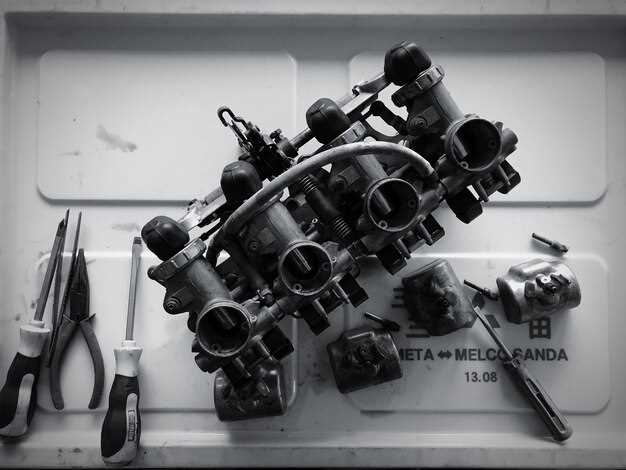
When embarking on a complete Land Cruiser restoration project, effective planning is essential. A well-structured timeline is crucial for ensuring each phase progresses smoothly and efficiently. Start by breaking down the project into distinct stages, such as disassembly, bodywork, painting, mechanical updates, and final assembly.
1. Disassembly: This initial phase involves carefully taking apart the vehicle to evaluate its condition fully. Allocate sufficient time for this, as thorough inspection is key to identifying issues. Depending on the vehicle’s state, this phase may require 1 to 2 weeks.
2. Bodywork: After disassembly, focus on the body repair and restoration. This step includes rust repair, panel replacement, and any frame modifications. Build in ample time here, as it can be labor-intensive. Expect this phase to last 3 to 6 weeks, depending on the extent of the work needed.
3. Painting: Once bodywork is complete, schedule time for the painting process. This phase should allow for proper surface preparation, as well as application and drying of paint. Typically, this step can take anywhere from 1 to 3 weeks.
4. Mechanical Updates: Next, focus on the mechanical components. This includes engine repairs or upgrades, suspension enhancements, and brake system overhauls. A detailed plan for parts procurement can help streamline this phase, with an expected timeline of 2 to 4 weeks, dependent on parts availability.
5. Final Assembly: The last phase of your project involves bringing everything together. Reinstalling parts, testing systems, and ensuring quality control should take approximately 1 to 2 weeks. Don’t rush this stage; it’s critical for the safety and performance of the vehicle.
Throughout your planning, remain adaptable. Unexpected challenges can arise, and a flexible timeline allows for adjustments without derailing the entire build. Regularly assess progress against your schedule to ensure successful completion of your restoration project.
Budgeting for Your Build: Estimating Costs and Managing Expenses
When embarking on a full Land Cruiser restoration project, creating a detailed budget is essential for staying on track financially. The restoration process can be expensive, and unexpected costs often arise. Therefore, an accurate estimate of expenses will help manage both your finances and your expectations.
Begin by breaking down the project into different phases, such as disassembly, repair, painting, and reassembly. Each phase will have specific costs associated with labor, parts, and materials. For instance, the disassembly phase might involve tools and workspace rentals, while the repair phase could require replacement parts and specialist services. Identifying these phases allows you to create a more accurate budget.
Next, research and gather quotes for all necessary parts, including both OEM and aftermarket options. Prices can vary significantly, so it’s beneficial to compare multiple suppliers. Additionally, consider the condition of your initial vehicle; extensive rust damage or mechanical issues may lead to increased repair costs. It’s wise to set aside a contingency fund, usually around 10-20% of your total budget, to cover any unforeseen expenses that may arise during the build.
Labor costs are another critical aspect of budgeting. If you’re planning to do most of the work yourself, factor in the value of your time and potential learning curve. Alternatively, hiring professionals can be beneficial for specialized tasks, but remember to account for these expenses. Always seek out reviews or recommendations for skilled tradespeople to ensure quality work without overpaying.
Additionally, keep track of all your expenses throughout the project. Regularly updating your budget will provide clarity on spending patterns and help prevent overspending. Utilize tools like spreadsheets or budgeting apps to monitor costs in real-time. This way, you can make informed decisions and adjustments as needed, ensuring that your Land Cruiser restoration remains financially manageable.
In conclusion, effective budgeting for your build requires careful planning, thorough research, and consistent monitoring of expenses. By anticipating potential costs and remaining organized, you can successfully navigate your Land Cruiser restoration project while minimizing financial strain.