
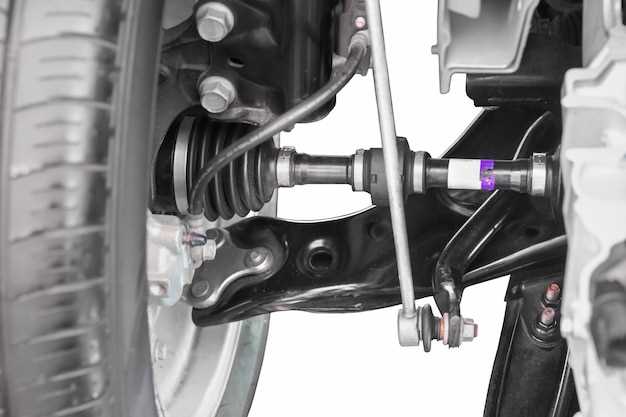
When it comes to maintaining a Land Cruiser, addressing common suspension issues is essential for ensuring optimal performance and comfort. As one of the most reliable off-road vehicles, the Land Cruiser is engineered to endure challenging terrains. However, over time, various factors can contribute to suspension problems that may affect driving dynamics and overall vehicle stability.
Some of the most frequently encountered issues include worn-out shock absorbers, damaged bushings, and misaligned components. Recognizing these problems early can save Land Cruiser owners from costly repairs down the line. In this article, we will explore effective ways to repair these common suspension issues and provide practical tips to help you maintain the performance and longevity of your vehicle.
Understanding the components of your Land Cruiser’s suspension system is crucial for diagnosing issues accurately. Equipped with knowledge and the right tools, you can tackle these repairs confidently and keep your vehicle running smoothly on both rugged trails and city streets.
Identifying Symptoms of Worn Suspension Components
Worn suspension components can lead to various issues that affect the overall performance and safety of your Land Cruiser. Identifying these symptoms early can save you time and money on repairs. One of the most common signs is excessive bouncing or a rough ride. If you notice that your vehicle has difficulty maintaining stability over bumps or uneven surfaces, this could indicate that the shock absorbers or struts are failing.
Another symptom to look out for is uneven tire wear. If certain areas of your tires are wearing more quickly than others, it may suggest that your suspension is not properly aligned or that specific components are worn out. This can result in diminished handling and increased risk of tire blowouts if not addressed promptly.
Listening for unusual noises can also provide clues about the condition of your suspension. Clunks, rattles, or squeaks when driving over bumps may indicate that bushings, ball joints, or other parts need repair or replacement. Additionally, if you notice that your vehicle pulls to one side while driving, it could signal an issue with the alignment or suspension geometry, necessitating a thorough inspection.
Finally, pay attention to how your Land Cruiser responds during turning maneuvers. If you experience excessive body roll or difficulty in steering, this might be due to worn sway bar links or control arms. Regularly checking for these symptoms can help you maintain your suspension system and ensure a safe and comfortable driving experience.
Step-by-Step Guide to Replacing Shock Absorbers

Replacing shock absorbers is essential for maintaining your Land Cruiser’s suspension system. Worn-out shock absorbers can lead to various issues, including decreased ride comfort and compromised handling. Follow these steps for a successful replacement.
Step 1: Gather Tools and Materials
You will need a socket set, a wrench, a jack, jack stands, and new shock absorbers. Ensure that you have the correct type of shocks for your specific Land Cruiser model.
Step 2: Safety First
Park your vehicle on a level surface and engage the parking brake. Before starting any repair work, wear safety glasses and gloves to protect yourself from debris and sharp edges.
Step 3: Lift the Vehicle
Using a jack, lift the rear or front of your Land Cruiser depending on which shock absorbers you are replacing. Secure the vehicle with jack stands for safety during your repair.
Step 4: Remove the Old Shock Absorbers
Locate the mounting bolts for the shock absorbers. Use the socket set to remove these bolts. Depending on your Land Cruiser model, you may need to detach other components to access the shocks fully. Carefully take off the old absorbers and set them aside.
Step 5: Install New Shock Absorbers
Position the new shock absorbers in place. Make sure that they align with the mounting holes. Hand-tighten the bolts first, then use the wrench to secure them firmly. Follow the manufacturer’s specifications for the correct torque settings to prevent future issues.
Step 6: Reassemble Any Removed Components
If you had to remove any additional parts to access the shock absorbers, reinstall them carefully. Double-check that all components are secured properly.
Step 7: Lower the Vehicle
Once you have replaced the shock absorbers and reassembled any necessary parts, remove the jack stands and lower the vehicle back to the ground.
Step 8: Test Drive and Inspect
After completing the replacement, take your Land Cruiser for a test drive. Pay attention to the ride quality and handling. If you notice any unusual sounds or performance issues, recheck your installation to ensure everything is properly secured.
Following this guide will help you successfully replace the shock absorbers in your Land Cruiser, enhancing its suspension performance and addressing common repair issues.
Common Alignment Issues and How to Correct Them

Alignment issues in Land Cruisers often stem from various factors, including worn suspension components, poor road conditions, and improper installation of parts. Identifying and repairing these problems is crucial for maintaining vehicle performance and ensuring a smooth ride.
1. Misalignment Symptoms: The most common signs of alignment problems include uneven tire wear, a steering wheel that’s off-center, and the vehicle pulling to one side while driving. If you notice any of these issues, it’s essential to address them promptly to avoid further damage.
2. Causes of Misalignment: Frequent impacts from potholes and curbs can displace suspension components, leading to misalignment. Additionally, failing to replace worn-out parts like ball joints, tie rods, and bushings can exacerbate alignment issues. Regular inspection of these components is vital for early detection.
3. Repairing Alignment Problems: To correct alignment issues, begin with a thorough inspection of the suspension system. Look for damaged or worn components that may need replacement. Once your suspension system is in good condition, you can proceed to realign the vehicle.
4. Professional Alignment Services: Consider utilizing professional alignment services for precise adjustments. Technicians utilize specialized equipment to measure angles and make necessary corrections to the camber, caster, and toe settings. This precision helps ensure that your Land Cruiser handles correctly and prolongs the lifespan of your tires.
5. Regular Maintenance: To prevent future alignment problems, perform regular maintenance checks on your suspension system. This includes inspecting tires for wear patterns and keeping the suspension components properly lubricated. Addressing minor issues before they escalate can save you from costly repairs later.